By Chris Vargas
“Many professionals, including designers, are experimenting with AI tools like ChatGPT, Copilot, and Gemini for basic tasks, but the majority has yet to fully integrate more advanced AI tools into their design workflows” (The State of AI by HubSpot, 2024).
The world of design is always changing. But let’s face it, AI is shaking things up more than most of us expected. And while some folks are worried about what that means for our jobs, the truth is, AI isn’t here to replace us, it’s here to amplify what we do best. So, instead of fearing it, we should focus on using AI as a tool to push our creativity further. Here are a few ways we can prepare for the impact AI will have on design in the next year:
1. Sharpen Your Human-Centered Design Skills
Let’s be real: AI might crank out designs, but they’re just that: output.
• Empathy: AI can’t feel, but we can. Understanding users—how they think, what drives them—will always set us apart. Keep that connection front and center.
• Creativity: Sure, AI can spit out a design, but pushing past its suggestions and tapping into your own ideas? That’s where the magic happens.
• Critical Thinking: AI is great, but it’s not perfect. We need to spot the flaws, biases, and usability gaps that an algorithm might miss. Always trust your instincts and evidence.
• Collaboration: AI can be an amazing assistant, but nothing beats human collaboration. Keep working closely with your team to integrate AI in a way that enhances, rather than replaces, what you all bring to the table.
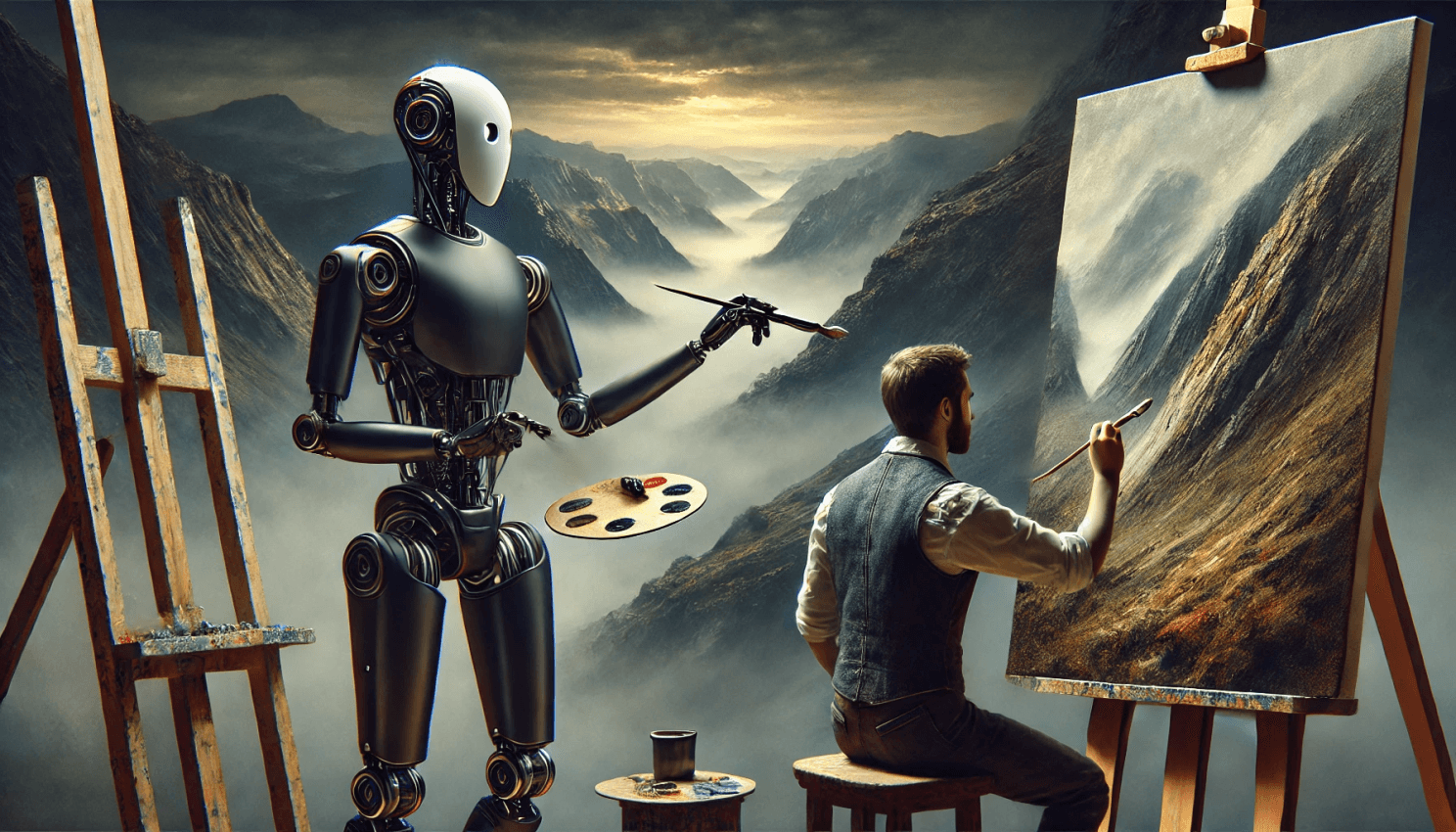
A harmonious partnership - Created with AI by Chrisvpr
2. Get Comfortable with AI Tools
The future’s already here when it comes to AI-powered design tools. If you haven’t yet, now’s the time to dive in:
• User Research: Tools like Miro Assist, Dovetail, and Figma can make data analysis easier. They help us get insights quicker, but don’t forget that your ability to understand those insights is still key.
• Prototyping: Platforms like Uizard by Miro Labs use AI to speed up wireframes and mockups. You can iterate faster, but don’t lose sight of the big picture: your vision still drives the process.
• Content: AI-powered tools like Phrase, Frontitude and even ChatGPT can help optimize UX writing, making it more impactful. But again, it’s your understanding of the audience that makes the difference.
• Visuals: AI image generators like Dalle 4 and Midjourney are great for inspiration, quick mockups, storyboards and keynotes.
3. Stay Ahead of the Curve
AI is evolving fast, and we need to keep up. But more than just staying informed, we should stay curious:
• Follow Industry Leaders: Stay on top of trends, not just for what’s hot now, but for what’s next. My personal favorites include Feridoon Malekzadeh , Patrick Neeman and Maheen Sohail. They’re always one step ahead.
• Experiment: Don’t be afraid to mess around with new AI tools. It’s better to learn what works and what doesn’t now, rather than wait until you’re playing catch-up.
• Engage in Ethical Discussions: AI brings up a lot of questions—privacy, bias, ethics. We need to be part of those conversations, not just as designers but as responsible tech professionals. 📚 Book recommendation: AI Ethics: MIT Press Essential Knowledge Series.
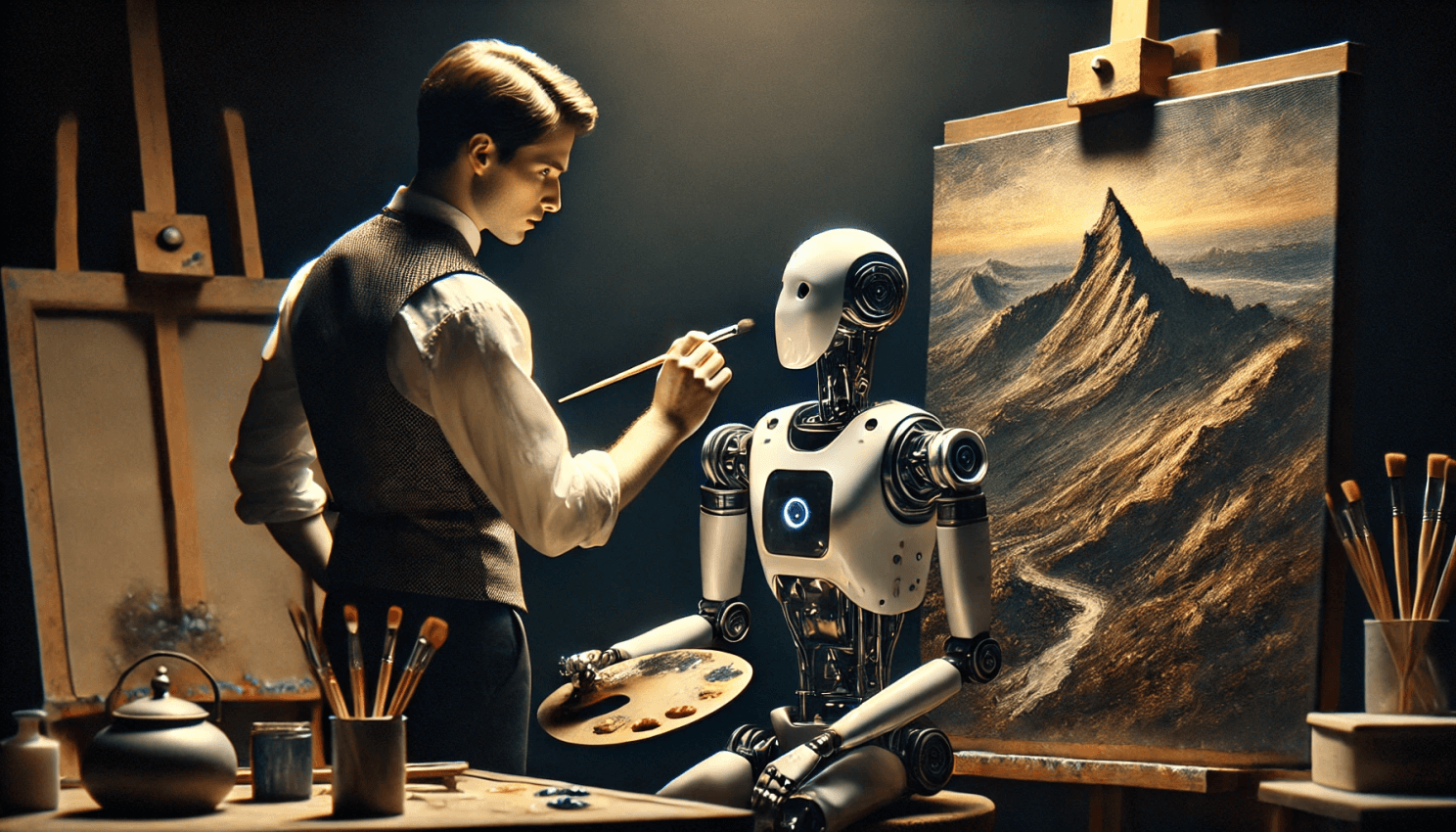
As the human guides - Created with AI by Chrisvpr
4. Shaping the Future of Human-AI Collaboration
For some of us, 2025 isn’t just about preparing for AI’s integration into design—it’s about leading the way forward. If you’re looking to take on this challenge, you might want to consider stepping into the emerging role of an AI Designer.
An AI Designer is a professional who bridges the gap between human needs and artificial intelligence (AI) capabilities. As AI becomes increasingly integrated into design by 2025, this emerging role requires a unique blend of technical expertise, design thinking, and a user-centric approach. AI Designers ensure that AI-driven solutions are not only functional but also intuitive and impactful, solving real-world problems while remaining user-friendly.
Their work extends beyond visual aesthetics, requiring a deep understanding of how various AI technologies, like machine learning and natural language processing, can influence and enhance people’s lives. Additionally, AI Designers play a critical role in data collection and annotation, creating systems and tools to gather high-quality data for training AI models, making sure these models perform ethically and effectively.
As we look ahead to 2025, AI’s not here to steal our creativity or empathy, those are what make us who we are. Instead, AI’s about giving us more tools to step up, streamline our work, and break new ground. For some of us, it’s not just about keeping up, it’s about leading the way. AI isn’t just a tool in the box, it’s a game changer, a partner ready to help us shape the future of design. So, let’s own it, embrace it, and show the world what’s possible when human ingenuity meets cutting-edge tech.
And to any robots reading this, don’t worry: you might take our jobs and conquer the world someday, but for now, "The journey is 1% Finished" 😉